
The understated brilliance of being boring
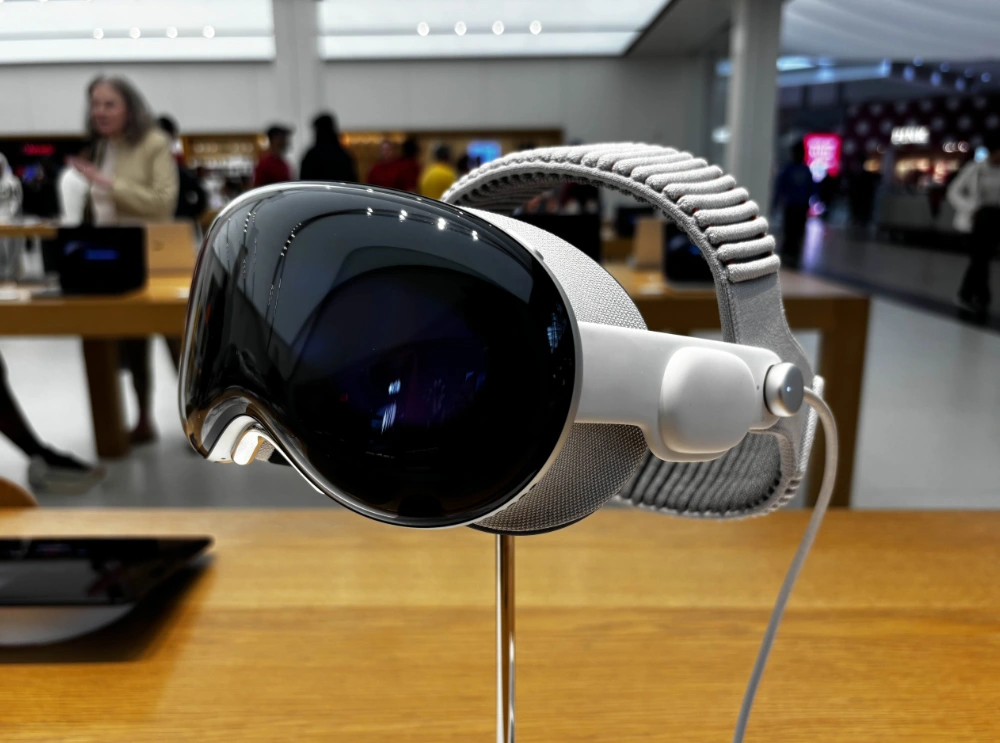
Long-time Apple fans complain about the unexciting nature of the Cook era. No innovation, no crazy experiments, no uncompromising thrusts into the future. Did they not see the VR goggles? It wasn’t a successful product, but it was a bold and thrilling failure in the finest tradition.
I never wanted anything Apple during the Steve Jobs time. The products were beautiful sometimes, creative usually, with valiant failures along the way. There were moments of instinctive insight, like buying the entire global supply of miniature hard disks for the iPod. There were stupid things like circular mice. But the ethos wasn’t for me. It was form over function. Opinionated interfaces felt needlessly contrarian. Fit around us, don’t think you can reshape this for how you operate, the catalogue declared.
Today I have Apple everything. I’ve got no loyalty or affection for the brand, but I’ve got work to do and Apple is the fastest route to Stuff Getting Done.
There’s still plenty I hate about the current iPhone. I haven’t had one before for my primary phone, only a couple for testing purposes. The keyboard is rotten. The corner radius is ridiculous and it leads to bad compromises in the UI. And notifications across the OS are a mess. Even with all of that, it still wins out. It’s the shortest route from “I need a new phone” to having that item ticked off and being back at my desk and productive.
Complaining about boring Tim Cook era Apple misses the point. Cook’s achievement is the steady, reliable foundation under everything. The business quietly courted the gigging engineer who needs to show up with a machine that gets out the way. The kit performs, the battery lasts, the build won’t fall to bits. There’s no nonsense, I just get work done.
Software works the same way. The best examples are WhatsApp and Spotify, tools you stop noticing entirely. You’re not using a messaging app, you’re talking to a friend. You’re not using a music app, you’re listening to a song. The tool gets out of the way and you just do the thing.
This is where Zendesk fails. Ask your agents what they were doing all morning and they were going through a view of tickets, maybe hunting for macros. They are unlikely to say “I was solving problems for customers.” The tool has become the work.
It’s no better for the admin upstream. The UI for creating or updating the building blocks of Zendesk, the triggers, automations, schedules, views, is wildly inconsistent. You can see they were built by different teams who weren’t friends. The audit log exists, but most of what you actually want to know isn’t in it. The sandbox you’d really want is an enterprise upgrade, and it drifts out of sync with production the moment you stop curating it. The promotion feature will ship changes between environments without warning you what’s about to break. There is nothing resembling version control. You make a change at lunchtime and nobody finds out it’s broken until Tuesday afternoon when a customer can’t reset their password. It’s like running business-critical infrastructure on WordPress.
We had a client who were very disciplined about the sandbox. They built every change in it first, walked through carefully, duplicated to production, then deleted the sandbox and rebuilt it from production. They did this every week. The alignment work was someone’s entire job.
So I automated it. The sandbox now keeps itself aligned while the admin makes their morning coffee, and they spend the rest of the day doing really useful stuff!
Beacon is the application layer for Zendesk that takes care of the hard parts. It handles testing, promotion, version control, audit and safety, so you don’t have to. You’re not learning another tool, you’re just getting stuff done. What’s left is the actual job: configuring the items in Zendesk that let your team solve problems for customers.